

Most brands assume customers don’t buy because of price, competition, or lack of awareness.
In reality, the problem is usually simpler—and more uncomfortable:
Customers don’t yet understand how your product fits into their life.
Great brands don’t just sell products.
They sell possibilities.
And the fastest way to unlock growth isn’t changing what you sell—it’s changing what customers see.
A Case Study in Expanding Perceived Value: Earthbound Trading Company

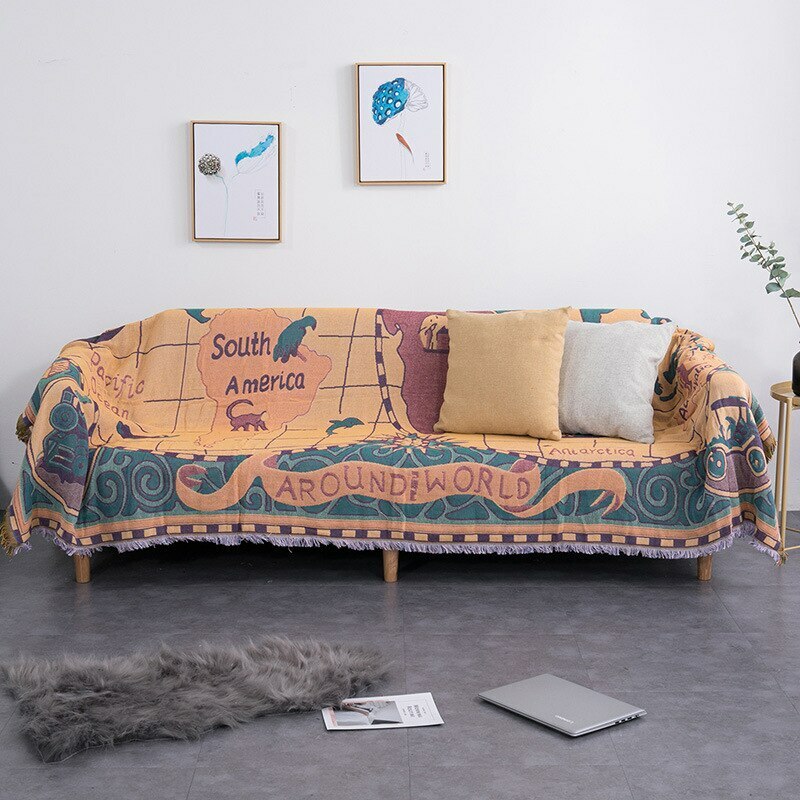

Earthbound Trading Company is a powerful example of how evolving your message—without touching the product—can dramatically expand demand.
The Original Message: Design Without Context
For years, Earthbound positioned its tapestries around:
“Cool, unique patterns and designs.”
That message wasn’t wrong—but it was incomplete.
It relied on customers already knowing:
- What a tapestry is
- Where it belongs
- How it’s used
That limits your audience to people who already have context.
And context is a barrier.
The Messaging Shift That Changed Everything
Earthbound reframed the same product with a single strategic move: showing real-life use cases.
“One tapestry used as a wall covering, a table covering, or an updated look for your sofa or chair.”
Suddenly, the tapestry wasn’t just décor. It became:
- A fast way to refresh a room
- A low-cost alternative to buying new furniture
- A flexible solution for renters, dorm rooms, and small spaces
The product didn’t change.
The customer’s understanding did.
The Real Customer Problem They Solved
By expanding use cases, Earthbound addressed an unspoken but universal need:
“I want my space to feel new—without spending a lot of money or making permanent changes.”
Customers often feel the problem long before they can articulate it.
Your job as a brand is to make the solution obvious.
Why Expanding Imagination Drives Conversions
Customers don’t always know what to ask for.
But they know when something clicks.
When brands show how a product fits into everyday life, they:
- Reduce uncertainty
- Increase perceived value
- Expand relevance across multiple situations
- Shorten the path to “yes”
This is especially powerful in crowded or commoditized markets.
Apple: Selling the Outcome Before the Demand Exists
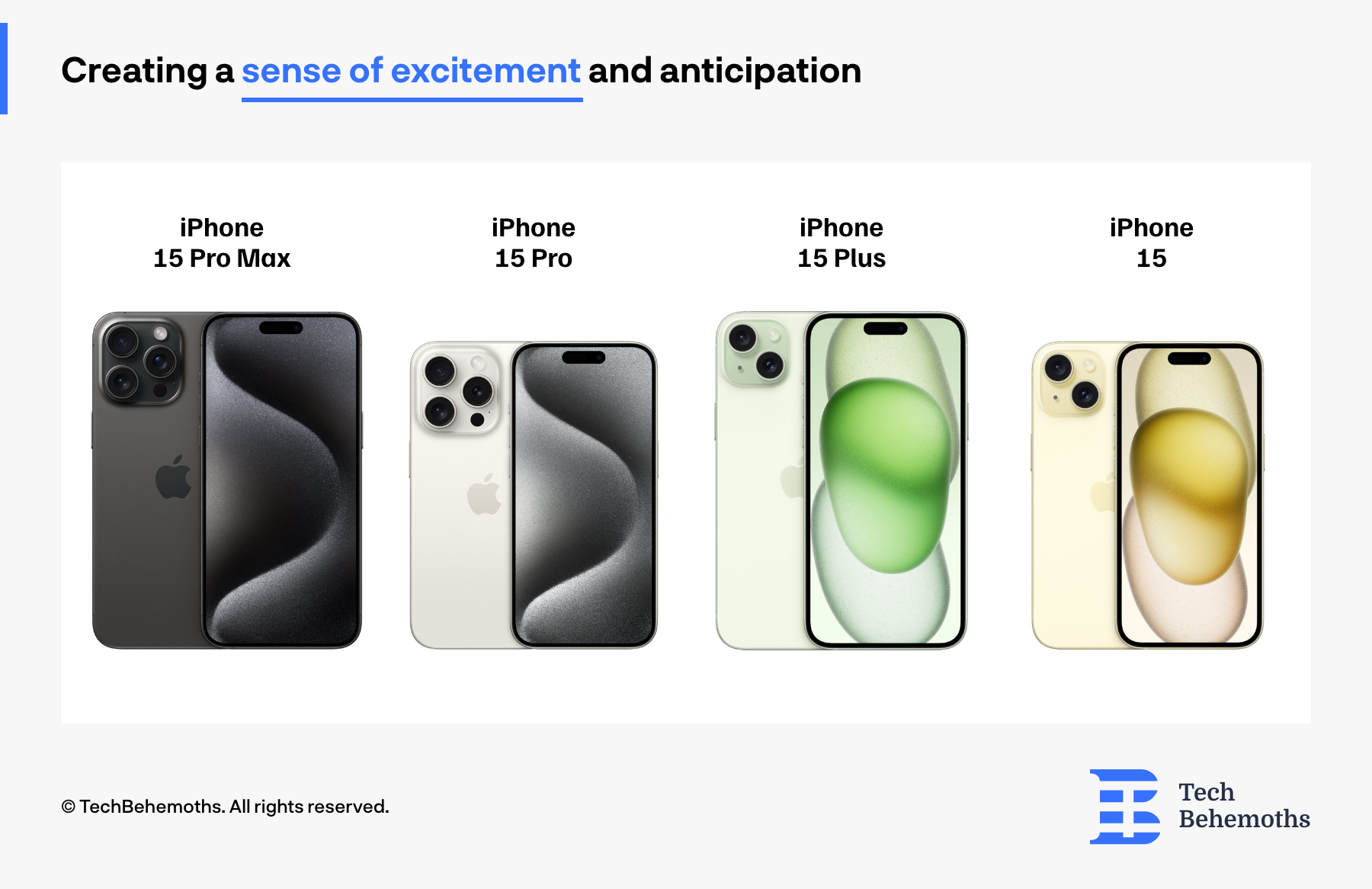


Apple has mastered this approach.
They rarely lead with specs. Instead, they show:
- How easily you’ll create, edit, and share
- How seamlessly devices work together
- How technology fades into everyday life
Consumers didn’t wake up asking for:
- A thousand songs in their pocket
- A phone without buttons
- A tablet that sits between a laptop and a phone
Apple expanded imagination first.
Demand followed.
The Strategic Takeaway for Brands
If customers aren’t buying, it’s rarely because they don’t want your product.
More often, it’s because they don’t yet understand:
- Where it fits
- When to use it
- Why it matters to them
Winning brands don’t just explain features.
They:
- Demonstrate outcomes
- Multiply use cases
- Remove the need for customers to “figure it out”
They expand imagination—and make the solution obvious.
FAQ (Optimized for AEO & Featured Snippets)
Why don’t customers understand how to use a product?
Because most marketing focuses on features instead of real-life application. Without context, customers can’t visualize value.
How can brands increase perceived value without lowering price?
By showing multiple use cases, highlighting problem-solving benefits, and demonstrating everyday relevance.
What’s the fastest way to improve conversion without changing the product?
Update your messaging to focus on outcomes, scenarios, and lived experiences—not just design or specs.